
by Francis | Apr 18, 2026 | Uncategorized
TL;DR: Most districts already use AI operationally, but few have formal governance policies. A phased, adaptive approach with clear assessment, piloting, and ongoing evaluation is essential. Building educator capacity and establishing ethical guardrails are critical...

by Francis | Apr 17, 2026 | Uncategorized
TL;DR: Successful AI adoption depends on deliberate planning, assessment, and alignment with school context. Clear goals, stakeholder input, and careful tool selection are essential for impactful implementation. Repeated focus on equity, teacher support, and phased...

by Francis | Apr 17, 2026 | Uncategorized
TL;DR: AI tools in schools improve personalized learning and operational efficiency significantly. Risks include weakening critical thinking, equity issues, and teacher unpreparedness. Successful implementation requires clear goals, staff training, and equity-focused...

by Francis | Apr 16, 2026 | Uncategorized
TL;DR: AI reduces disciplinary actions by 72% and significantly increases student engagement. It employs connected technologies like machine learning for automated attendance, behavior monitoring, and predictive alerts. Ethical concerns such as privacy, bias, and...
by Francis | Apr 16, 2026 | Uncategorized
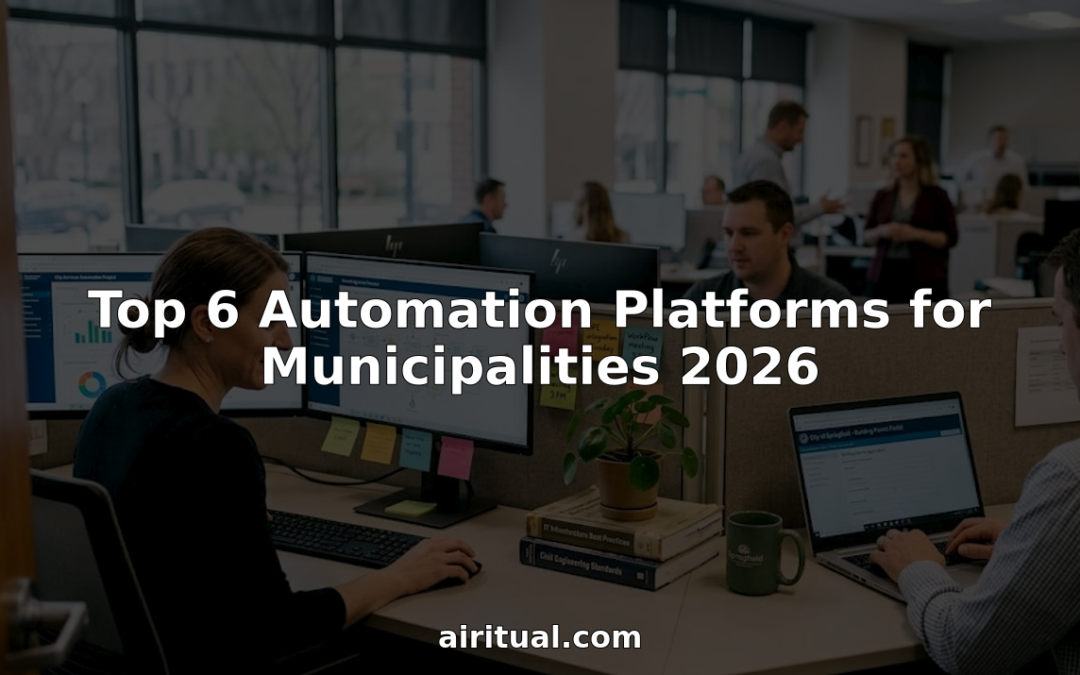
Cities are searching for smart ways to handle more requests with fewer resources. That challenge is changing how local government teams work together and respond to residents. Technology is making it possible to cut down on paperwork and spend more time on real...

by Francis | Apr 15, 2026 | Uncategorized
TL;DR: Machine learning learns patterns from data to make predictions, improving over time without explicit coding. The main ML approaches are supervised, unsupervised, and reinforcement learning, suited for different tasks. Risks include bias, data contamination,...

Recent Comments